Cloud solutions & IT consulting
for the ambitious enterprise.
We architect, migrate, and manage cloud infrastructure — and build the software that runs on it. From strategic IT consulting to full-stack development, Sonnora helps companies across Mexico and Latin America compete at the next level.

Trusted by teams across fintech, SaaS, manufacturing, and retail in Mexico & Latin America
Services
End-to-end technology services from strategy to implementation — delivered by a team that ships real products.
Cloud Solutions
Cloud architecture design, migration, and optimization across AWS, Azure, and GCP. We help you reduce costs, improve reliability, and scale with confidence.
AI Cost Improvement
Reduce your AI inference and agent costs by 80% or more. We audit your model usage, tooling, and infrastructure to design a leaner stack — whether through custom on-premise GPU servers, optimized cloud deployments, or a hybrid of both. We leverage powerful open-source models, quantization, and efficient serving to deliver production-grade performance at a fraction of your current spend.
IT Consulting & Advisory
Strategic technology planning, digital transformation roadmaps, architecture reviews, and technology stack evaluation. We help leadership make confident decisions.
Software Engineering
Full-stack development, API design, mobile apps, and desktop applications. We build products that are reliable, performant, and built to last using modern practices.
Managed IT Services
Ongoing infrastructure monitoring, cloud cost optimization, security management, and 24/7 support. We keep your systems running so you can focus on your business.
We don't just design architectures — we build and operate them. Below is a selection of products built by our own team — some shipping to production, others in active development. Together they're the clearest proof of the engineering behind our consulting work.
Portfolio
From audio processing to network analysis — products built by Sonnora that ship to real users.
Tunes4R
Tunes4R is a professional-grade audio processing platform built with Rust and Flutter. Designed for ultra-low latency playback and pro-grade audio processing — it's the product that proves our engineering capability.
Sub-millisecond audio processing pipeline
Built with Rust core, Flutter UI — runs anywhere
Professional audio processing for demanding users


Deep-packet network analysis kernel designed for extreme scale.

Tesla-style 3D driving HUD with live lane rendering and hazard overlay feed.

Declarative UI framework for high-fidelity cross-platform rendering.

Zero-trust Identity and Access Management for enterprise ecosystems.

Multi-tenant SaaS for league and tournament organizers. Real-time scoring, finances, and communications.
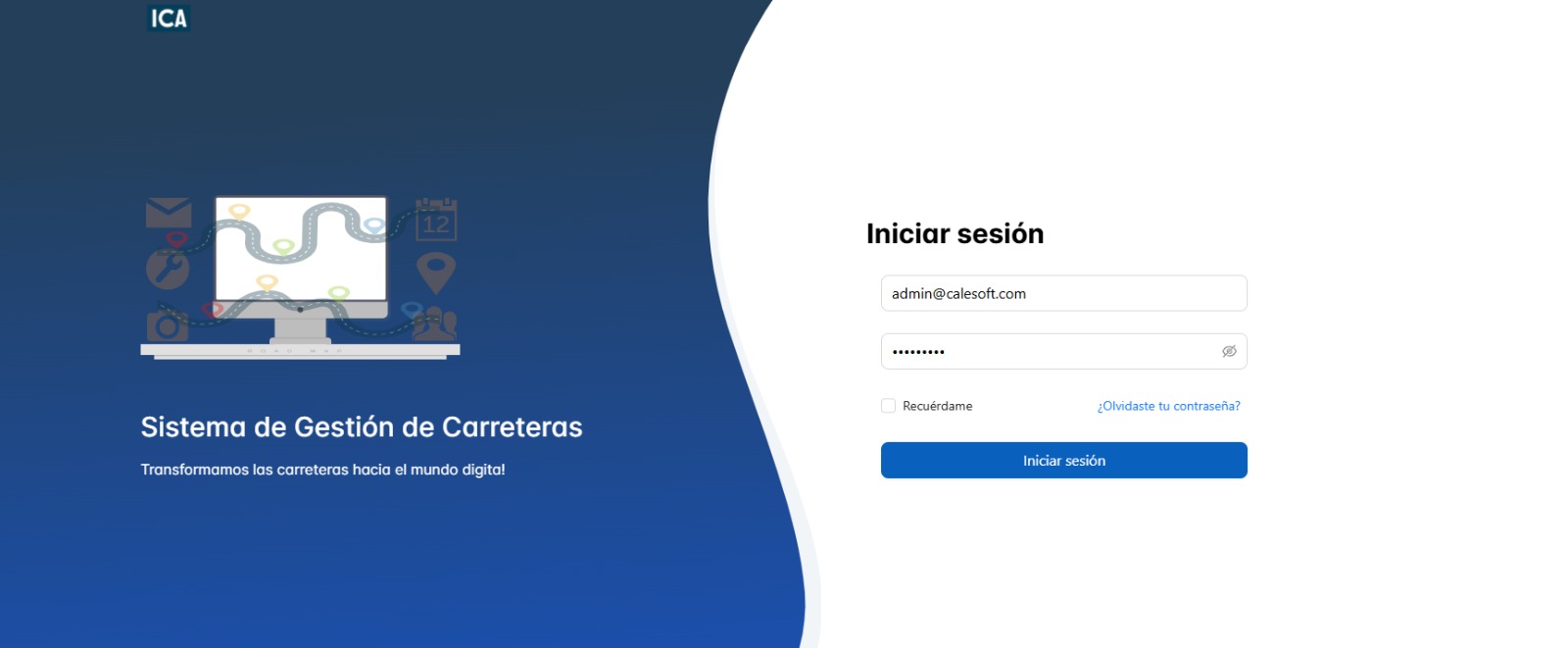
Road asset management system with georeferenced assets, hierarchical categories, and incident tracking.

TikTok-style short video platform with For You feed, live rooms and real-time chat. Rust backend, Flutter app.

BlaBlaCar-style ride-sharing with trip publishing, geospatial search and seat booking.
A different kind of technology partner
We combine deep technical capability with a boutique, hands-on approach — delivering enterprise-grade solutions with the agility of a focused team.
Technical Excellence
We build products like Tunes4R — real software that ships. We don't just advise on technology, we build it. That depth informs every engagement. From Rust and Python to Java, GraalVM, and Spring — we work across the stack.
Boutique Partnership
Small enough to care deeply, experienced enough to deliver. You get direct access to senior engineers who understand your business context.
Nearshore Advantage
Based in Mexico, serving Latin America and beyond. Same time zones, cultural alignment, and competitive rates — without compromising on quality.

Sonnora was founded by a Senior Enterprise Architect and full-stack/systems engineer with 20+ years of experience designing and building software for demanding technical environments.
Before consulting, the work: production systems in Rust, Flutter, and Python — audio engineering pipelines, network programming, and GUI frameworks — the same depth we bring to every client engagement. Sonnora exists because that same rigor should be available to companies who need real engineering behind their cloud and AI decisions, not just a slide deck.
Based in Mexico City, working with companies across Mexico and Latin America.
Ready to build something great together?
Let's talk about your next project. Whether you need cloud architecture, software development, or IT strategy — we're here to help.
Contact us